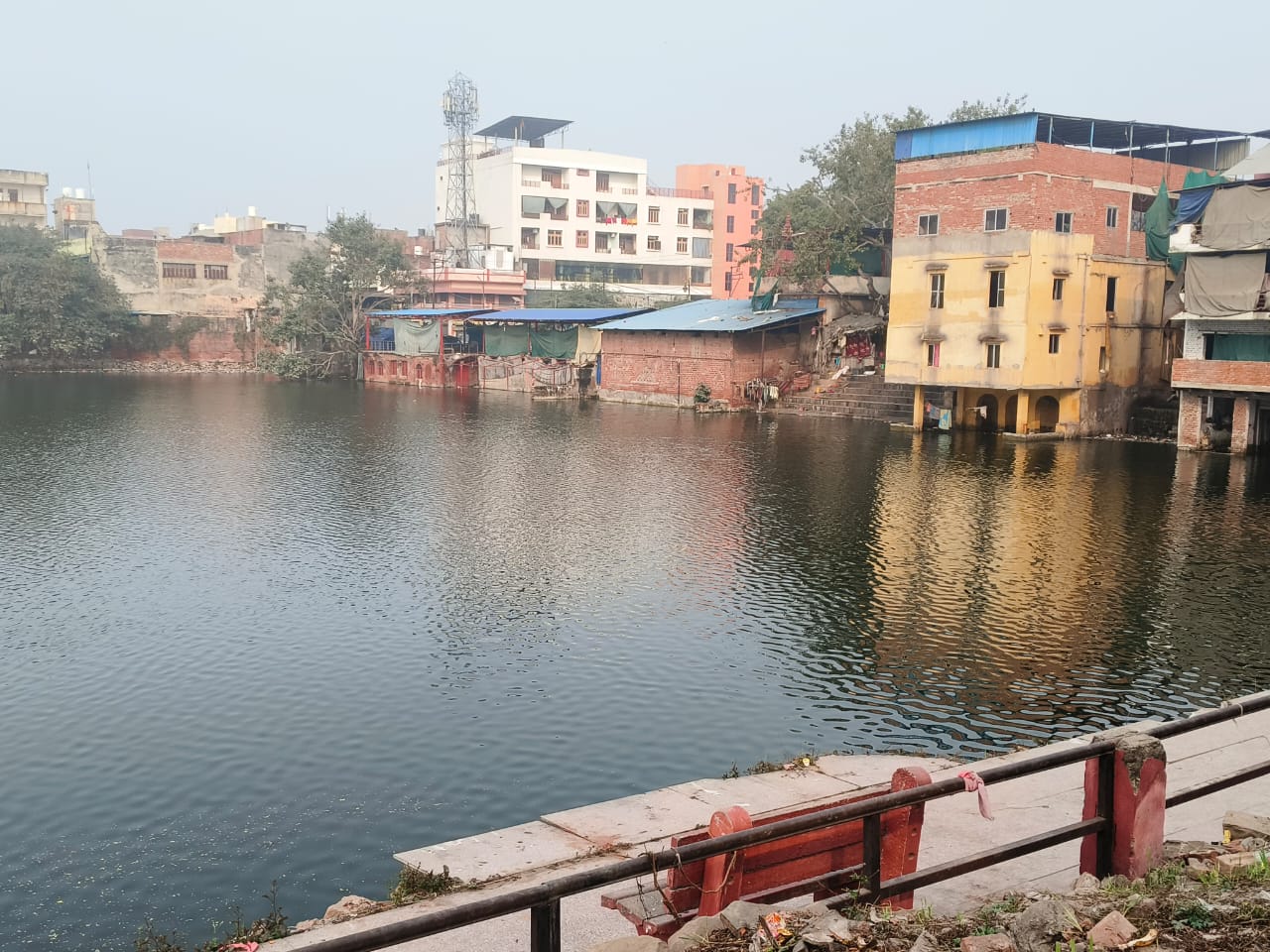
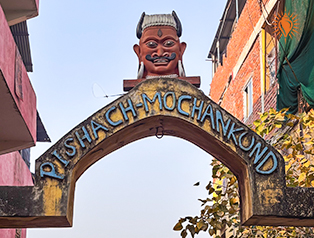
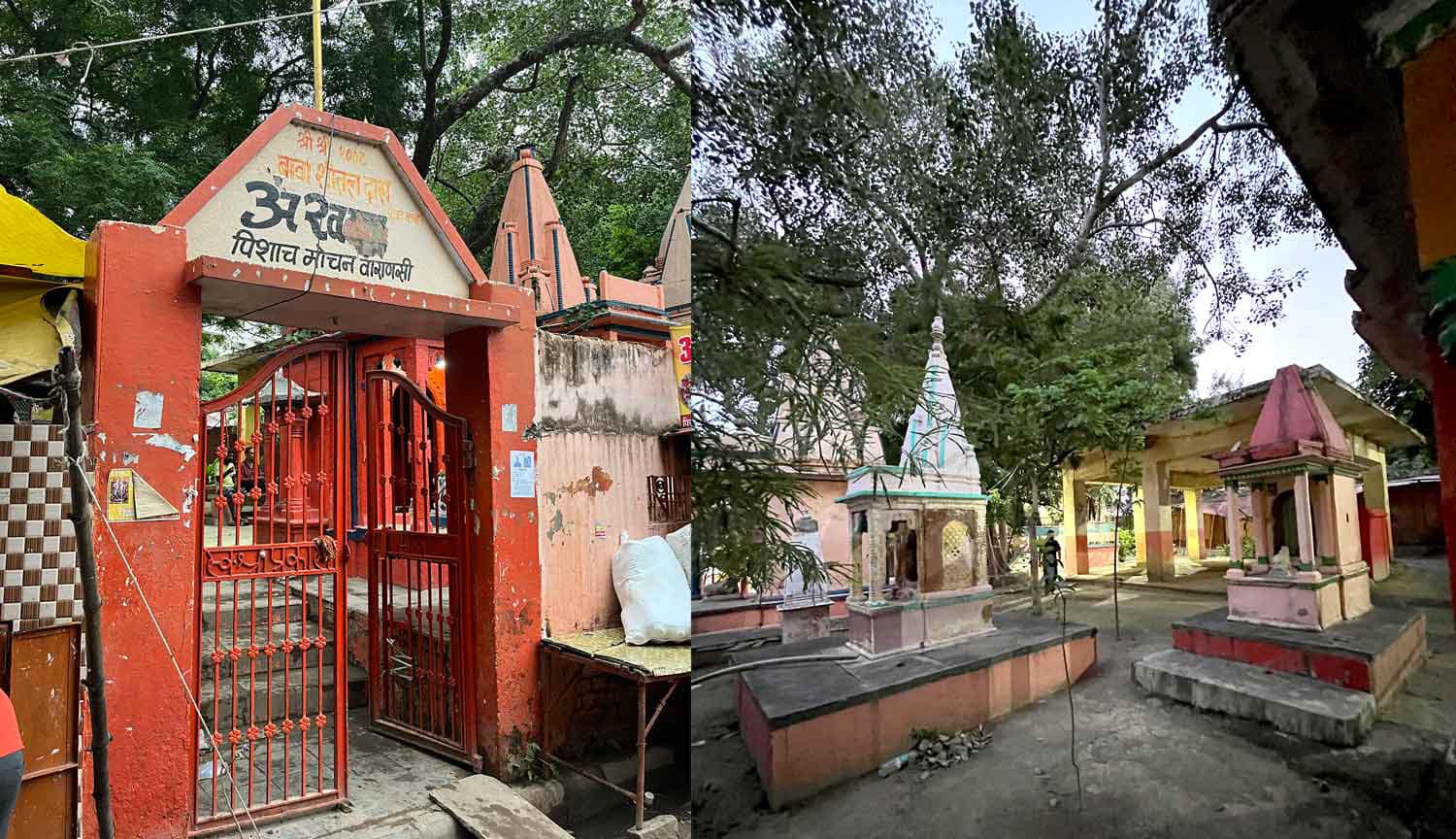
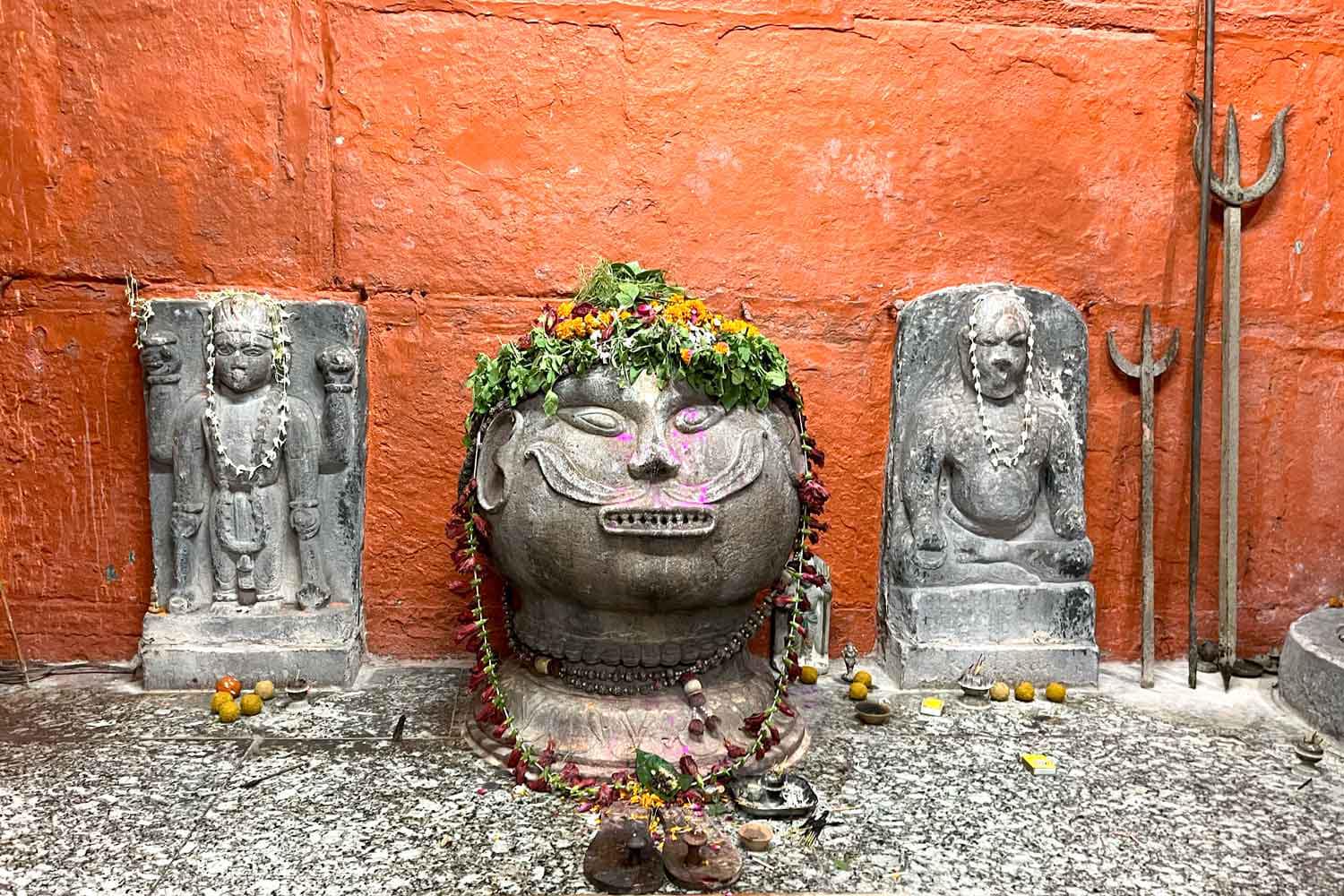
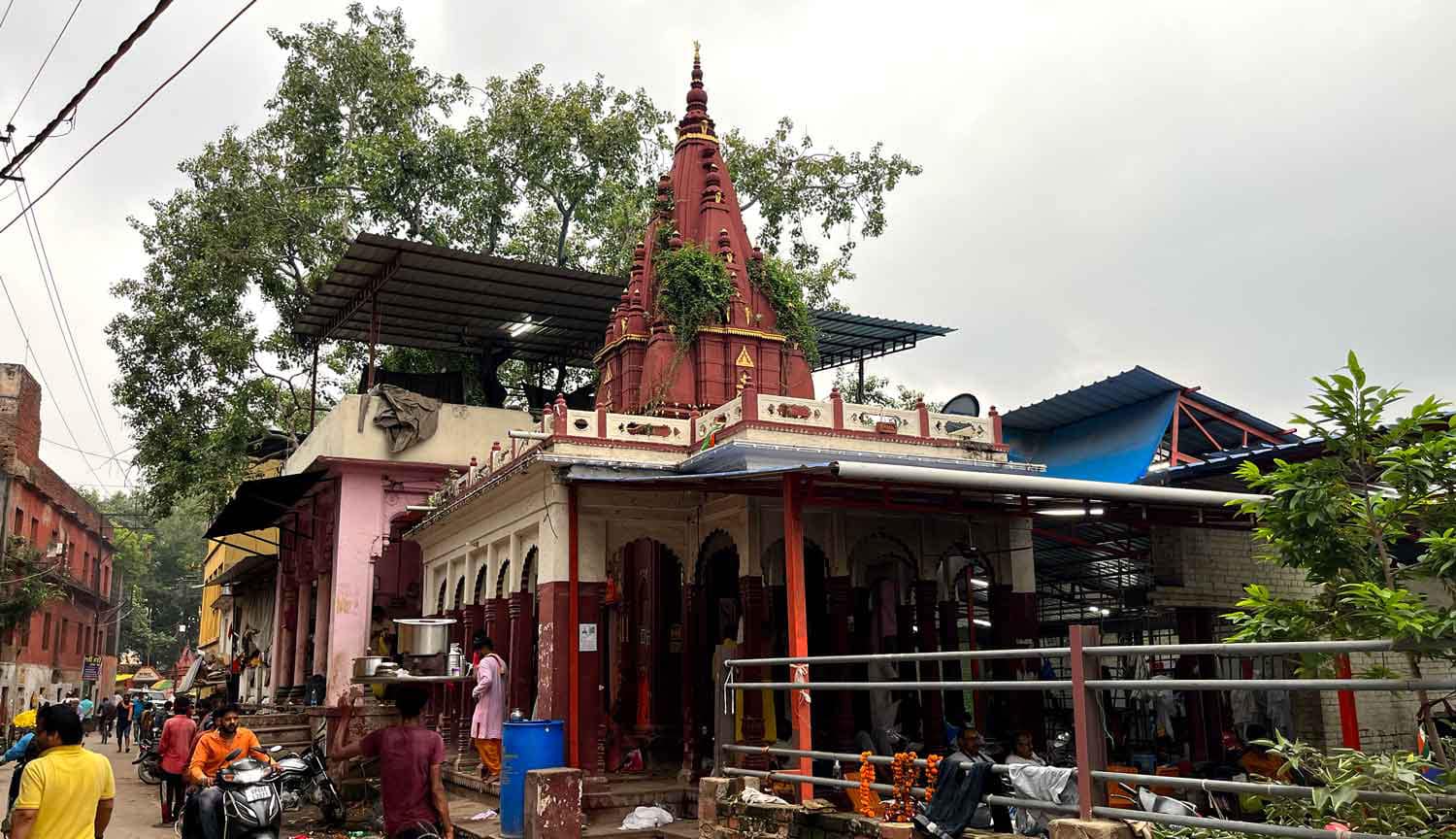
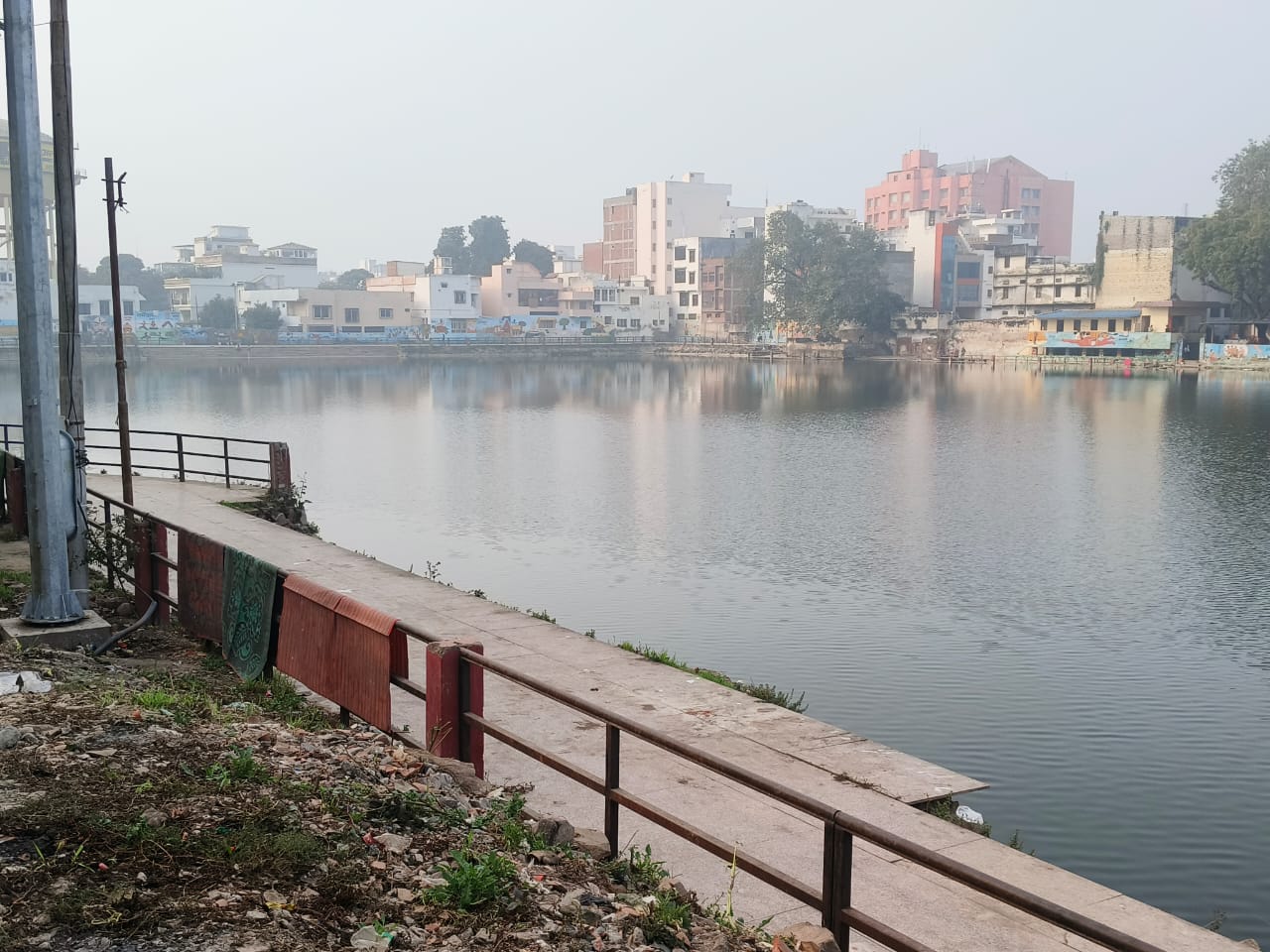
Pishach Mochan Kund in Varanasi is a sacred site associated with liberation of souls who suffered untimely or unnatural death.
It is especially known for relief from Pret Yoni, Pitru Dosha, and Brahma Dosha. Rituals such as Tripindi Shraddha, Narayan Bali, Pind Daan, and Tarpan are performed here for ancestral peace.
The nearby Kapardeeshwar Mahadev Temple adds to its spiritual importance, and the Peepal tree near the kund symbolizes unsettled souls seeking peace.
During Pitru Paksha, thousands of devotees visit this holy place to pray for the peace and moksha of their ancestors.
Pishach Mochan Kund in Varanasi is a highly sacred pilgrimage site associated with liberation from Pret Yoni (spirit state), Pitru Dosha, Brahminical karmic afflictions, and untimely death.
Varanasi (Kashi) is known as the city of liberation, where Lord Shiva grants moksha through the Tarak Mantra. However, for souls who suffer unnatural or untimely death outside Kashi, Pishach Mochan Kund holds special importance for spiritual peace and release. It is particularly known as a place where wandering or unsettled souls are believed to attain liberation.
According to the Kashi Khand and Garuda Purana, this sacred site was formerly known as Vimal Tirtha or Vimalodaka Tirtha, and is believed to have existed even before the descent of the Ganga to Earth.
It is said that Kapardi, a great devotee of Lord Shiva, established this kund. Through his intense penance, Lord Kapardeeshwar Mahadev manifested here.
Legend narrates that Sage Valmiki once performed penance at this site. A Brahmin soul trapped in Pret Yoni approached him seeking liberation. As guided by Sage Valmiki, the soul bathed in this kund and worshipped Kapardeeshwar Mahadev, thereby attaining freedom from the spirit state. Since then, this place became known as “Pishach Mochan” (Liberator from spirit bondage).
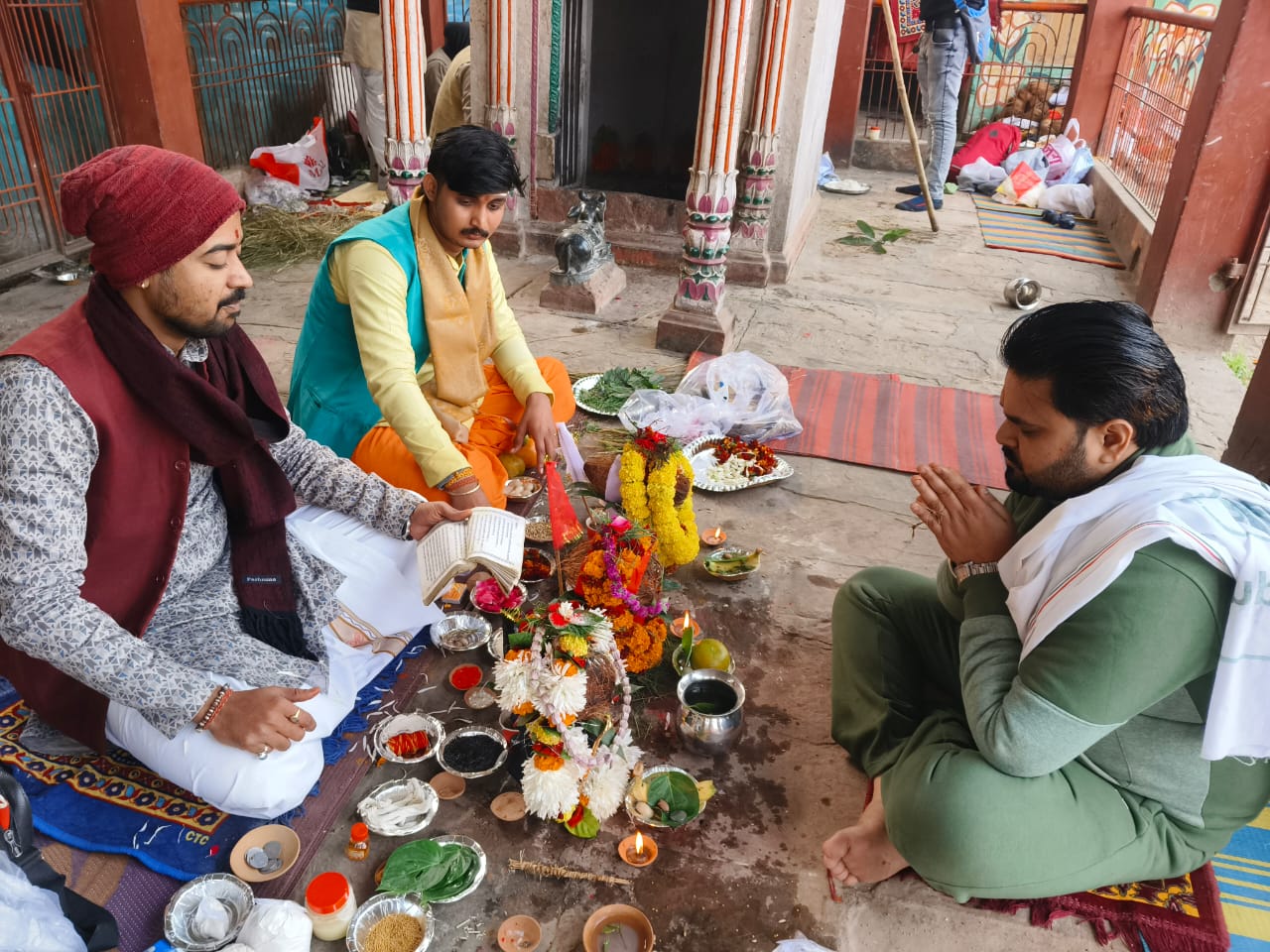
Pishach Mochan Kund holds a unique place in Sanatan Dharma. It is considered one of the rare sacred sites where Tripindi Shraddha is performed in a complete and traditional manner.
After Gaya, it is regarded as one of the most important destinations for ancestral rites. The Garuda Purana describes the significance of rituals performed here, especially during Pitru Paksha when thousands of devotees visit to perform Shraddha, Tarpan, and ancestral ceremonies.
Near the kund stands a well-known Peepal tree associated with local beliefs. According to tradition, unsettled souls are symbolically tied here using coins and nails to bring them peace. Photographs of individuals who died untimely deaths are also seen nearby.
Although this practice is not strictly scriptural, it has continued for centuries as a local devotional belief.
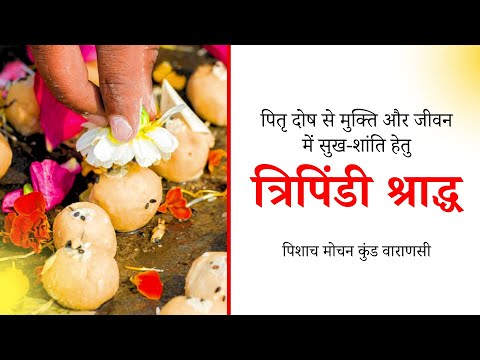
Performed for liberation from three types of spirit states (Sattva, Rajas, Tamas). It includes worship of Brahma, Vishnu, and Shiva, along with ritual offerings using white, yellow, and black-clothed kalash. Pind offerings are prepared from sesame, barley, and rice flour.
Conducted for souls affected by accident, suicide, sudden illness, or untimely death. This ritual helps release the soul from Pret Lok and grants rightful place in Pitru Lok.
Performed for three generations of ancestors. It helps remove Pitru Dosha, Brahminical karmic afflictions, and family obstacles while granting peace to departed souls.
Pujariji.com offers complete, organized, and scripturally authentic ritual services at Pishach Mochan Kund:
🔹 Complete Tripindi Shraddha arrangements
🔹 Narayan Bali Anushthan for untimely death cases
🔹 Pind Daan & Tarpan with proper Vedic procedure
🔹 Personalized Sankalp based on devotee’s name, gotra & lineage
🔹 Experienced and certified local priests
🔹 Full puja samagri (til, barley, rice flour, kalash, cloth, havan materials, etc.)
🔹 Havan & mantra chanting as per Garuda Purana guidelines
🔹 Brahmin Bhojan & Dakshina arrangements
🔹 On-site and online booking facilities
🔹 Optional live video participation for overseas devotees
We ensure every ritual is performed with purity, devotion, and complete adherence to scriptural traditions.
👉 Book your ancestral rituals at Pishach Mochan Kund through Pujariji.com and ensure peace, liberation, and spiritual upliftment for your ancestors.
Your devotion, our service.
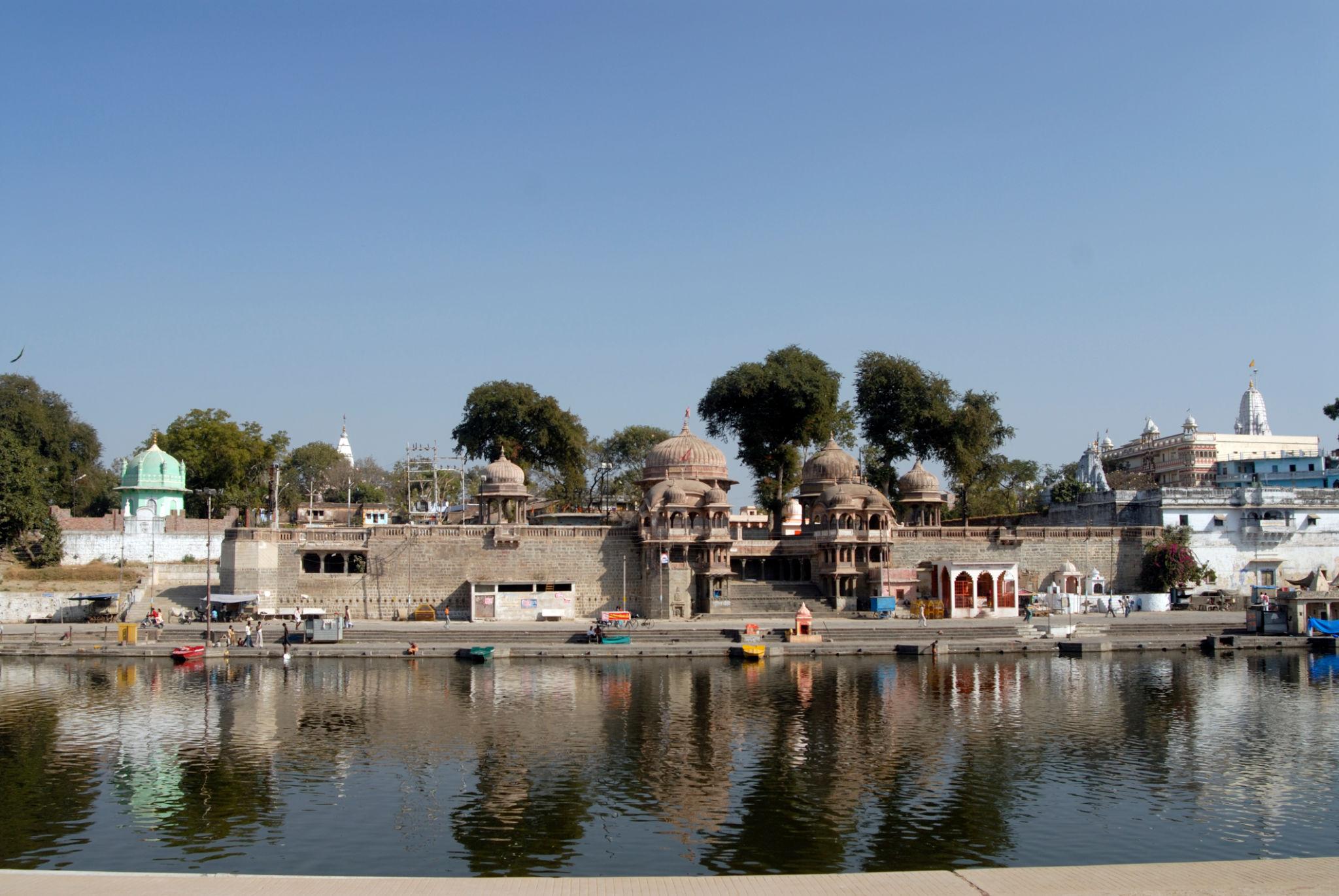
05:30 AM - 06:30 PM
The below are the travel details for the temple
Temple Puja associated with the temple