
“The entire process was seamless. The pandit performed the Satyanarayan Puja with complete devotion and we received the video proof the same day.”
Priya Sharma
Mumbai• Satyanarayan Puja
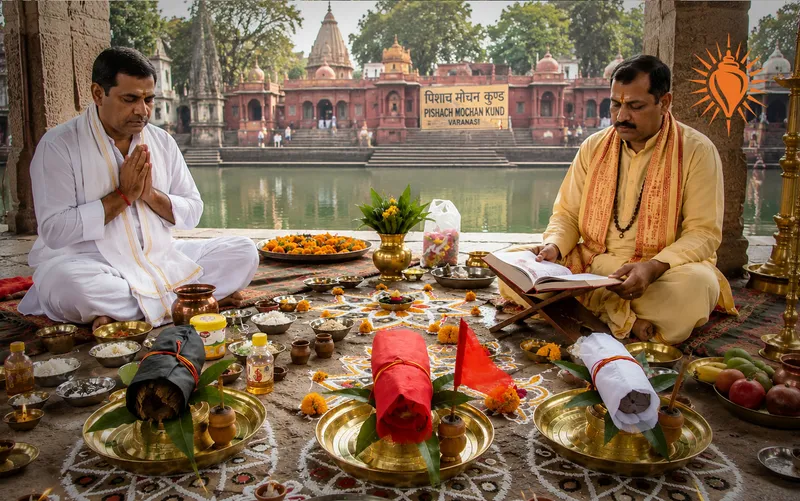
Pitru Dosha Nivaran Puja is a sacred ancestral ritual performed with a sense of devotion, gratitude, and reverence toward departed ancestors. According to traditional religious and astrological beliefs, when Shraddha, Tarpana, or other ancestral rites could not be completed for certain reasons, special rituals may be performed as prayers for ancestral peace.
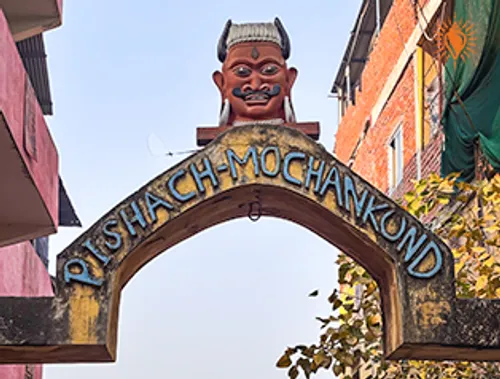
Pishachmochan Kund in Varanasi is regarded as an important sacred site associated with ancestral rites and rituals for spiritual peace. Devotees traditionally perform various ancestral rituals here with prayers for the satisfaction, peace, and spiritual well-being of their ancestors.
Duration
2h – 3h
Best time
Morning
Starting price
₹11,000
Pitru Dosha is primarily a concept associated with traditional Hindu religious practices and Vedic astrology. Astrological consideration of Pitru Dosha may involve the Sun, Rahu, Ketu, Saturn, and the fifth and ninth houses of the horoscope.
Traditional belief places importance on Shraddha, Tarpana, and other ancestral rites as expressions of gratitude and reverence toward departed ancestors. When a horoscope indicates a possible Pitru Dosha, or when a family has religious concerns associated with ancestors, Pitru Dosha Nivaran Puja may traditionally be performed under the guidance of qualified Vedic Acharyas and astrologers.
How is Pitru Dosha considered in a Horoscope?
Traditional astrological analysis does not determine Pitru Dosha from a single planetary placement. The complete horoscope is generally considered, including the following factors:
The actual significance of these combinations should be assessed only after examining the complete horoscope, including the ascendant, houses, house lords, planetary aspects, conjunctions, signs, and planetary periods.
Main Deities & Religious Importance
The ritual may include worship of ancestral deities along with Lord Shiva, Lord Vishnu, Lord Ganesha, and other relevant divine forces. The exact ritual procedure may be determined according to the devotee's horoscope, Sankalp, and ancestral ritual requirements.
Pishachmochan Kund is regarded as an important sacred site in Varanasi for ancestral rituals. Traditional practices associate the sacred site with Tarpana, Pind Daan, and rituals performed with prayers for ancestral peace. Performing ancestral rites at this sacred place is undertaken with reverence, devotion, and prayers for the spiritual well-being of departed ancestors.
Muhurat / When should this Puja be performed?
When should this Puja be performed?
Traditional astrological and religious beliefs may associate certain circumstances with Pitru Dosha, including:
These circumstances should not be treated as definitive proof of Pitru Dosha. A detailed horoscope analysis is required to understand whether such a planetary indication is actually present.
Religious Belief Regarding Pitru or Preta Disturbance
Traditional religious beliefs may associate certain circumstances with Pitru or Preta-related concerns, such as:
In such circumstances, traditional practice recommends seeking guidance from qualified Vedic Acharyas and astrologers for appropriate ancestral rites.
Main Mantras
Depending on the Sankalp and ritual requirements, the ceremony may include ancestral mantras, Tarpana mantras, and Vedic mantras dedicated to Lord Shiva and Lord Vishnu. The specific mantras are selected according to the devotee's circumstances and the prescribed ritual procedure.
Benefits of the Puja
Spiritual Importance
Ancestral rites hold an important place in Hindu religious tradition as a means of expressing reverence, gratitude, and remembrance toward departed ancestors. During Pitru Dosha Nivaran Puja, the ancestors are remembered through Tarpana, prayers, and traditional Vedic rituals.
Performing ancestral rites at a sacred site such as Pishachmochan Kund is regarded as a spiritually meaningful practice undertaken with devotion and prayers for ancestral peace and spiritual well-being.
Special Information
Pitru Dosha Nivaran Puja is not merely a prayer for the pacification of Pitru Dosha, but also a sacred tradition of expressing shraddh, gratitude, and ancestral duty towards one’s forefathers. At Pishach Mochan Kund, Varanasi, this puja is performed according to traditional ancestral rituals, with prayers for the satisfaction, peace, and spiritual well-being of the ancestors, along with the happiness, peace, and welfare of the family.
Varanasi
For devotees who can't travel, we perform the puja in your name at the teerth and share the video and prasad with you, where applicable — the whole ritual, done on your behalf.
3 Acharya + All Puja Material
This special ancestral ritual is performed at Pishachmochan Kund, Varanasi by 3 Experienced Vedic Acharyas according to traditional scriptural procedures. The ritual is performed with prayers for the pacification of Pitru Dosha, ancestral and spirit-related obstacles, and for the peace, satisfaction, and auspicious onward journey of the ancestors. Tripindi Shraddha involves offering three pindas dedicated to Sattvic, Rajasic, and Tamasic spirit categories according to the traditional ritual procedure. It is particularly performed when Pitru Dosha has been indicated in a birth chart, ancestral Shraddha or Tarpana rituals were missed, or special ancestral rites are desired for the peace and spiritual welfare of departed ancestors.
Ritual Includes
Special Features
Required Information
Tripindi Shraddha performed at Pishachmochan Kund, Varanasi is regarded as an important ancestral rite performed with reverence and gratitude toward departed ancestors, with prayers for their peace, satisfaction, and auspicious onward journey, as well as the spiritual welfare of the family.
2 items included
Questions about packages? Chat with us about Pitru Dosha Nivaran Puja
WhatsAppDevotee Testimonials
“The entire process was seamless. The pandit performed the Satyanarayan Puja with complete devotion and we received the video proof the same day.”
Priya Sharma
Mumbai• Satyanarayan Puja
“Living abroad, I was worried about getting authentic puja done at Kashi. Pujariji handled everything — from samagri to sankalp. Highly recommended!”
Rajesh Gupta
San Francisco, USA• Rudrabhishek
“Booked Graha Shanti puja for my new home. The pandit was very knowledgeable and explained every step. The video recording was a wonderful touch.”
Meena Iyer
Bangalore• Graha Shanti Puja
Share your details once. The pujari, samagri, vidhi-vidhan, and updates are all handled for you.
Tell us the puja, date & sankalp details.
Background-checked and matched to your puja.
Every item sourced and ready — you arrange nothing.
In your name at the holy teerth.
Blessed prasad and the full blessings of the completed puja.
Choose a package above or send an enquiry — our team will confirm your date and details.